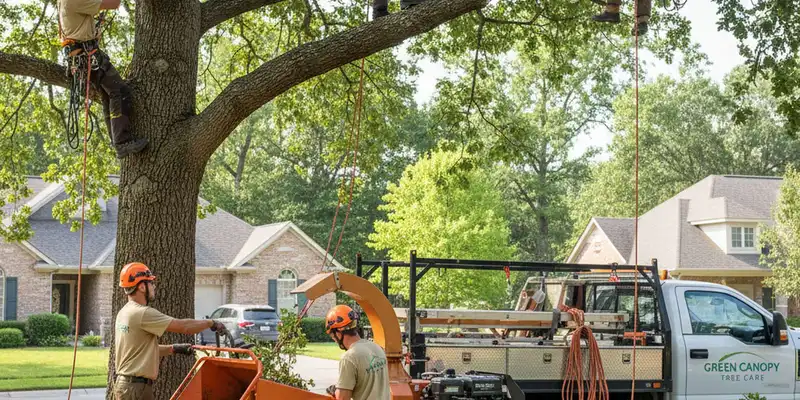
Medical Lake is a close-knit community southwest of Spokane, where lakeside homes, rural parcels, and older neighborhoods sit under a mature canopy of ponderosa pine, cottonwood, and black locust. Gravel drives, uneven grades near the lake, and aging trees often create access problems and structural concerns. The tree care professionals in Spokane in this region know how to evaluate root pressure near shoreline foundations, manage storm-damaged limbs over narrow clearances, and remove hazardous deadwood from rural properties while keeping them safe and reachable through changing seasons.
That is why more property owners in Medical Lake, WA, turn to Arbor Tree Care to help keep their landscapes in good shape throughout the year.

Prefer to Talk to An Expert?
(509) 823-1030
Why Medical Lake Property Owners Trust Local Professionals to Get It Right
Because they work in this area every day, local crews understand the soil movement, dense mature growth, and rural access issues that shape tree work in Medical Lake. They choose equipment and methods that fit the property, with an approach designed for wind exposure, freeze-thaw shifts, and drought stress common across this part of Spokane.
From expert stump removal solutions near the homes along Hallett Road to careful pruning of established ponderosa near the Medical Lake shoreline, each job is completed with attention to detail and long-term property function.
If you care about the condition of your land, local contractors can help you keep the canopy healthy, the access open, and the property safer in Medical Lake.
Our Tree-Service Services
in Spokane, WA, Include
A Service Area Designed to Fit Your Medical Lake Neighborhood
Sloped shoreline terrain and narrow rural routes mean tree care in your neighborhood has to be tailored, not generic. Local professionals bring the right approach to mature stands, residential lots, and acreage parcels of all sizes.
Whether the job is on a lakefront property in the Medical Lake shoreline district, an acreage lot along Fancher Road, or a mid-century home near downtown Medical Lake, the work is adjusted to fit the site.
From professional tree pruning services and tree removal to stump grinding and emergency response, every service is planned around the property’s layout and the needs of the trees.
Medical Lake’s Deep-Rooted Canopy, Rooted in History
Medical Lake began as a resort and residential destination in the late 1800s, and its lakeside setting drew homesteaders before suburban growth spread outward along rural roads. That past still shows up in the older timber, aging roots beneath established homes, and dense riparian growth that shape how tree work must be handled today.
Aging Ponderosa Pine Stands Near Residential Structures
Many properties in Medical Lake, especially near the lake and in older neighborhoods around town, contain mature ponderosa pines that have outgrown their original spacing. That can lead to roots pushing into driveways or foundations and heavy branches hanging over roofs, creating access and structural concerns.
Local professionals address these issues with crown reduction, precise limb removal, and root zone evaluation to reduce long-term damage and keep the site functional.
Cottonwood and Black Locust in Riparian Corridors
The area around Medical Lake and nearby wetland edges adds shade and visual appeal, but it also brings recurring debris and tree-health problems. Fast-growing cottonwood and invasive black locust can overload fences and utility lines, while their roots spread aggressively into lawns and planting beds.
Crews manage these sites with selective removal, controlled thinning, and stump treatment to reduce resprouting, while working with the wet soil conditions common near the lake.
Drought Stress and Deadwood Accumulation on Rural Acreage
Hot eastern Washington summers and repeated dry periods leave many rural Medical Lake properties with deadwood buildup in ponderosa and Douglas fir stands, which weakens tree structure and raises fire concerns.
Trusted professionals handle these areas with deadwood removal, crown cleaning, and fire-risk reduction clearing to support safer properties and healthier trees.
Wind Exposure and Storm Damage Along Open Rural Corridors
Open agricultural surroundings and higher ground leave Medical Lake properties exposed to strong wind, which can snap limbs, topple shallow-rooted cottonwoods, and scatter debris across access roads and driveways.
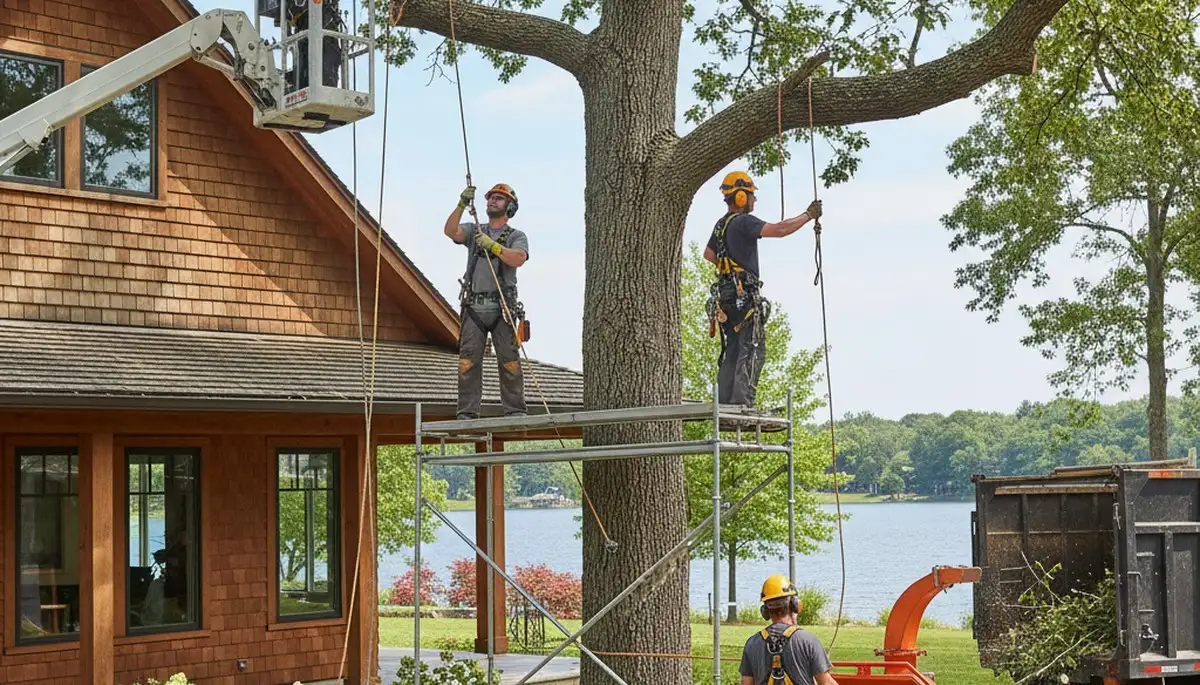
Experienced crews respond with aerial lifts, hand-rigging, and organized debris cleanup so properties remain accessible after storms bring down branches or compromise the canopy.
Narrow Driveways and Limited Equipment Access on Lakeside Lots
Tight gravel drives and compact lot layouts are common in Medical Lake, which makes it difficult to bring in large equipment for removals and stump grinding.
Local crews use compact track loaders and hand-rigging systems to protect surfaces and preserve access while completing the work efficiently.

Kick off your tree service project today!
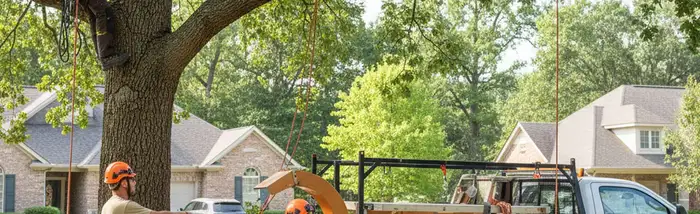
Tree Services in Medical Lake, WA: Care for Every Season
From routine pruning to urgent storm cleanup, local tree professionals help keep Medical Lake properties safe, healthy, and easy to access all year long:
Routine Tree Trimming and Pruning in Medical Lake, WA
- Crown Reduction for Ponderosa Pine Near Structures: Mature ponderosa pines on lakeside residential lots are reduced carefully to lighten heavy limbs over roofs and restore safer spacing, with reliable tree trimming specialists shaping each tree to fit its natural form.
- Structural Pruning of Young Planted Trees: Young shade trees in Medical Lake neighborhoods benefit from early pruning that builds stronger branching before growth becomes difficult to correct.
- Canopy Thinning Along Riparian Corridors: Cottonwood and willow stands near the shoreline are thinned selectively to lower wind resistance and lessen the chance of branch failure during late-season storms.
- Clearance Trimming Over Driveways and Access Roads: Branches hanging over gravel drives and rural routes along Fancher Road and Hallett Road are cut back to keep vehicle clearance safe through changing seasons.
- Deadwood Removal from Established Timber Stands: Rural acreage with mature fir and pine benefits from routine deadwood removal that reduces fire risk and supports healthier canopy structure before summer heat peaks.
Plan trimming early, before spring growth adds weight over structures and access routes in Medical Lake.
Tree Removal Services in Medical Lake, WA
- Hazardous Tree Removal Near Lake-Adjacent Foundations: Leaning or damaged trees close to lakeshore foundations are evaluated and removed using controlled rigging to protect the building and surrounding landscape.
- Storm-Damaged Tree Removal After Wind Events: After strong winds hit Medical Lake’s open corridors, split or uprooted trees are removed quickly to reopen driveways and restore access.
- Dead Tree Removal from Rural Timber Parcels: Standing dead ponderosa and fir on acreage properties create fire and fall hazards, especially in dry months, and are removed with equipment that works in limited-access settings.
- Invasive Species Removal: Black locust and other invasive woody growth along fence lines and riparian edges are fully removed to help prevent spread.
- Whole-Tree Removal for Landscape Renovation Projects: Homeowners updating older Medical Lake lots with overgrown or poorly placed trees use complete removal to make room for replanting or lawn restoration.
Prompt tree removal helps protect Medical Lake foundations, driveways, and nearby structures from wind and storm damage.
Stump Grinding and Cleanup in Medical Lake, WA
- Stump Grinding on Narrow Lakeside Lots: Compact grinding equipment reaches tight shoreline properties where larger machines cannot fit, leaving the area level and ready for lawn restoration.
- Multi-Stump Clearing on Rural Acreage: Properties with several old stumps from prior clearing work receive organized grinding to recover usable space and reduce tripping hazards.
- Root System Cleanup After Cottonwood Removal: Cottonwood stumps near riparian margins need thorough grinding and root-zone treatment to limit resprouting that can invade lawns and garden beds.
- Post-Removal Debris Hauling: After grinding, wood chips are removed from the property or spread as mulch around planting beds, leaving the site tidy and ready for the next stage.
- Stump Removal Ahead of Landscape Design Projects: Homeowners planning new planting beds or hardscape features rely on complete stump and root-zone removal to create a stable, unobstructed surface.
Removing old stumps from Medical Lake properties opens up yard space, reduces pest harborage, and prepares the ground for new plantings or lawn work without leaving hazards behind.
Emergency Tree Services in Medical Lake, WA
- Storm Response for Fallen Trees Blocking Driveways: When wind drops trees across gravel drives or rural access roads in Medical Lake, emergency crews clear the obstruction and restore safe entry.
- 24-Hour Hazard Assessment After Wind Events: Partially failed limbs and leaning trunks left unstable after storms are inspected and secured or removed quickly to prevent additional damage to structures or vehicles.
- Emergency Limb Removal from Rooflines: Large limbs resting on or pressing against rooflines are removed first to reduce the risk of further structural harm.
- Downed Tree Removal Near Utility Lines: Trees and large limbs that fall near power lines on Medical Lake properties are handled with proper clearance and coordination to manage safety concerns.
- Post-Storm Debris Clearing for Full Property Access: After major storms, complete debris removal restores access across driveways, paths, and yard spaces so homeowners can assess the property safely.
Because Medical Lake faces eastern Washington wind events and heavy snow, emergency tree response is a practical need for local property owners, not an extra service. Nearby communities rely on similar support, including people searching for tree removal contractors in Cheney, WA and those looking for year-round tree care in Liberty Lake, WA who understand the seasonal demands of eastern Washington properties.